


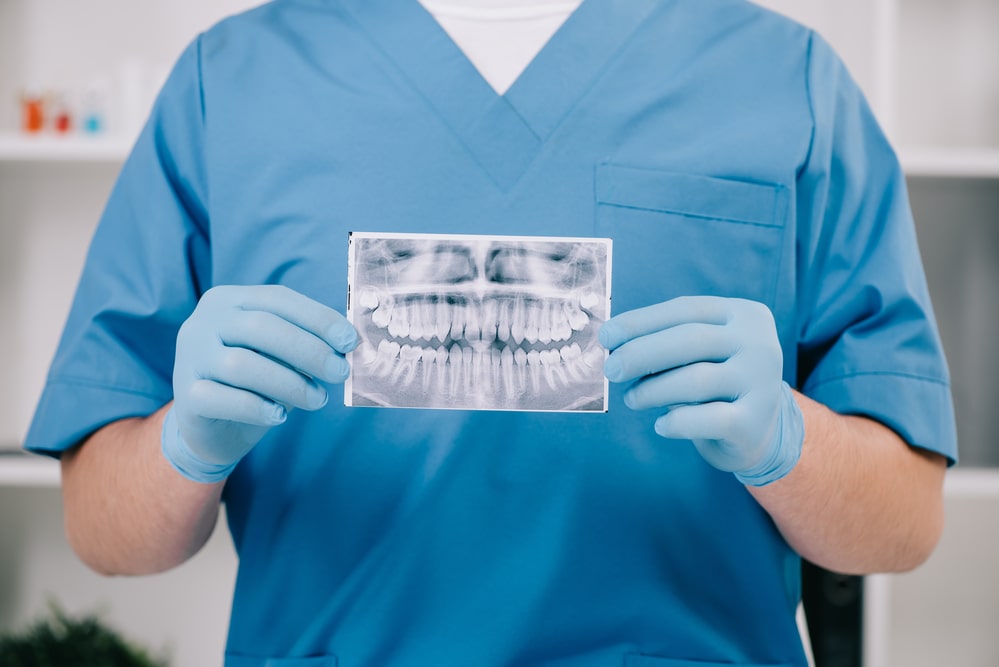
Some aligner plans include a step that surprises patients: removing a very thin layer of enamel between teeth. Orthodontists name it interproximal reduction, or IPR, and it creates small amounts of room for teeth to line up. Here is how it works, why it’s used, and what to ask if your plan includes it.
Crowded Teeth Need Room to Move
When teeth are crowded, aligners have to work with the space available, and orthodontists have a few ways to create more. Enamel reshaping is one of them. It’s a small step that gives crowded teeth somewhere to go.
Patients considering Birmingham Invisalign sometimes hear about the step at the planning stage. Asking about it at that stage gives the patient time to understand the plan before treatment starts.
Adults with long-standing crowding may also compare aligners with Birmingham adult braces before choosing a path. Either route starts with an exam that shows how much room the teeth need.
What the Reshaping Step Involves
Interproximal reduction removes a small amount of enamel from the sides of neighboring teeth. Researchers writing in a 2024 literature review describe IPR as an almost routine part of orthodontic treatment, especially in adults, and they stress that its irreversible nature requires precise planning.
In aligner treatment, the amount and location of reshaping are part of the digital plan, so the trays are designed around the space it creates. Nothing about it should be improvised.
Which Teeth Get Reshaped
Teeth with a triangular shape are considered the best candidates, because even a small reduction creates meaningful space. Reshaping is also used to refine the shape of a visible front tooth, such as an incisor or a canine.
Patients can ask a few questions when a plan includes the step:
- Which teeth will be reshaped, and why?
- How much enamel does the plan remove?
- What happens if the trays stop fitting after the step?
- Will the plan change if my teeth move differently than expected?
A clear answer to each one shows the plan was built for the individual mouth. If an answer is vague, ask for the digital plan to be reviewed together.
Not Every Plan Needs It
Some aligner cases need no reshaping at all. Mild spacing, for example, involves closing space and not creating it. Whether a plan includes the step depends on how much room the teeth need and on how the bite is built. Both outcomes are normal.
Aligners can help with mild to moderate crowding, but not every case suits them, and severe rotations or large gaps may still require Birmingham braces. An exam shows whether reshaping, aligners, or braces fit the amount of crowding.
Patients comparing systems can ask about Birmingham Spark clear aligners as another option. The practice offers both systems, so the plan can be compared side by side.
Treatment length depends on the case, and Invisalign treatment timelines for adults vary with the amount of movement needed. Reshaping, when it’s planned, is part of that movement.
Protecting Teeth Afterward
Aligner treatment requires careful brushing and flossing, and that matters just as much after enamel has been reshaped. We check those areas at follow-up visits.
Teeth can drift without support, so Birmingham retainers are a standard part of finishing treatment. A retainer protects the result of all the planning that came before.
Skipping retainer wear is one reason old crowding comes back after treatment ends, and it’s easy to avoid with a steady routine. Wearing a retainer as directed keeps the room that reshaping and movement created from closing again.
Who Directs the Plan
An orthodontist plans reshaping with the whole treatment in mind, which is a good reason to ask who is directing the plan. Digital scanning replaces putty impressions at our office, and the scan feeds the plan from the start.
Dr. Dominique Backus earned her Doctor of Dental Surgery degree at LSU School of Dentistry in 1997 and a specialty certificate in orthodontics in 2000, and Backus Smiles Orthodontics is conveniently located near Vestavia Hills in the Birmingham area.
Anyone curious about how reshaping might fit a treatment plan can get in touch with a Birmingham Invisalign team to talk through the options and ask for the plan to be explained step by step. Each step of the plan can be explained before treatment begins.